Photos and scan
Clinical photographs show your face and smile. A scan or impression records tooth shape and provides a basis for designing the restorations.

Everyone has their own reason.
Let us start with yours.
What to change, which look to choose and what budget to discuss — five questions for your first conversation with a dentist.
Compare optionsYour answers stay on this page. The result helps express your wishes and does not replace diagnostics.
A veneer is a thin restoration that primarily covers the front surface of a tooth and changes its visible shape and colour.
Your own tooth remains beneath the ceramic. Its health, enamel, gums and bite come first, followed by your desired smile.
Veneers and crowns serve different purposes. Removing tooth tissue to make space for ceramics is irreversible. No-preparation veneers are not always possible.

If shade is your only concern, start by discussing whitening. Veneers are considered when shape correction or suitable colour masking is also needed.
Explore shadesA small chip can sometimes be repaired with composite. Ceramics are discussed for broader aesthetic goals; the extent of treatment depends on how much sound tooth remains.
About composite veneersSignificant misalignment should first be assessed by an orthodontist. A veneer changes the outer shape but does not move the root or solve every bite problem.
About orthodonticsThe colour, shape, edge or condition of a tooth may call for a review of previous restorations. First we identify the cause, then choose a removal method and a new design.
How replacement worksA lifelike smile is built from nuances. Five White Art principles help make ceramics part of your personal style.

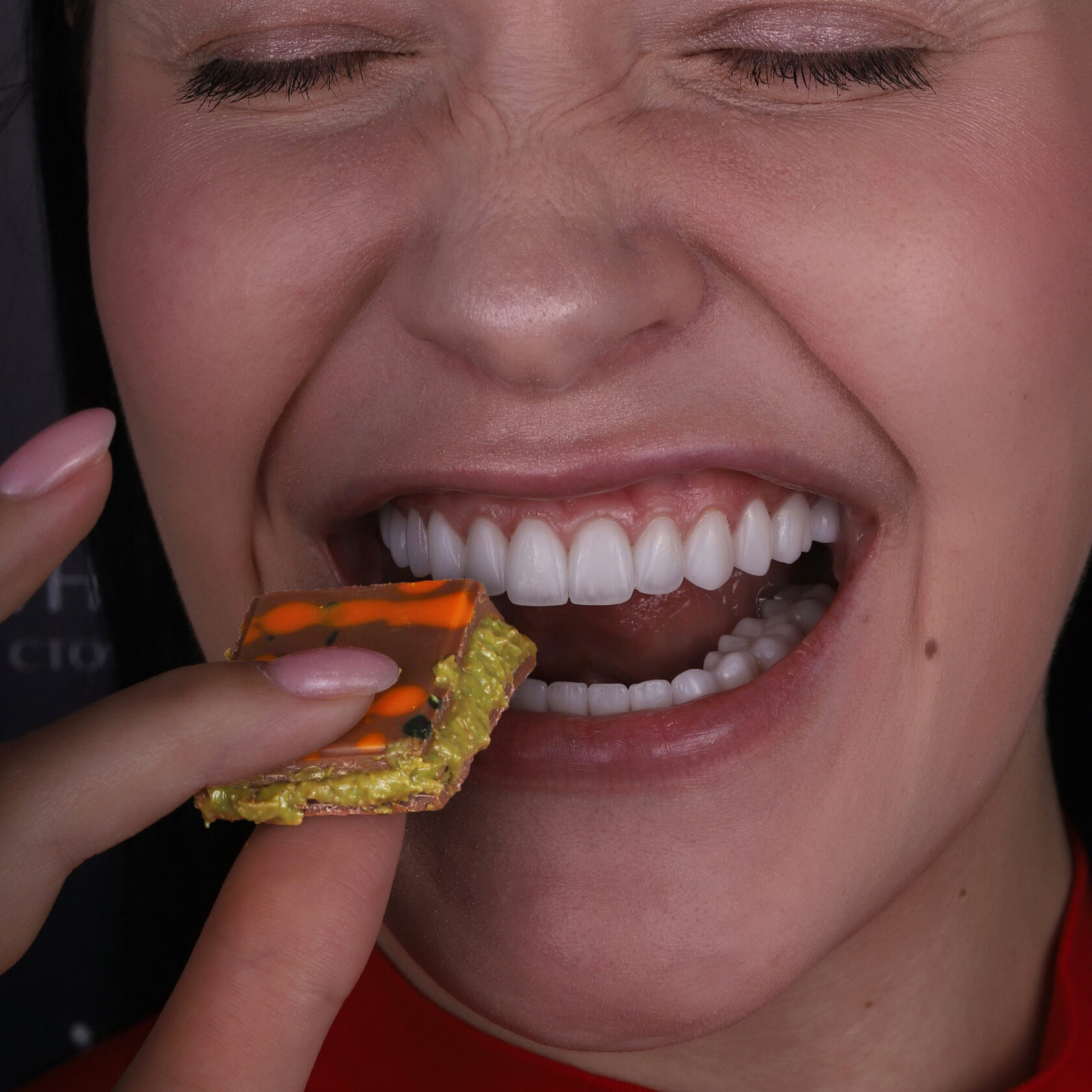
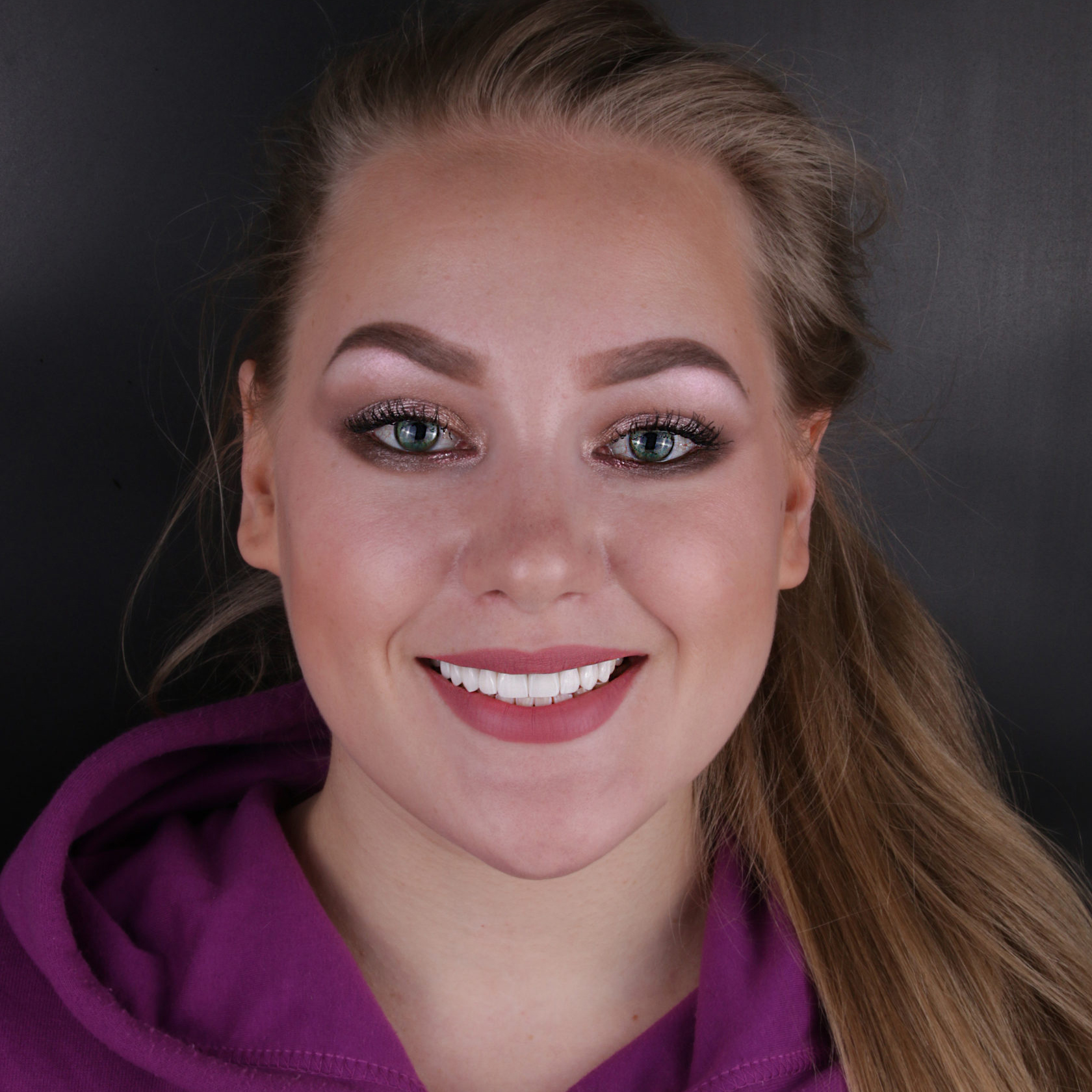
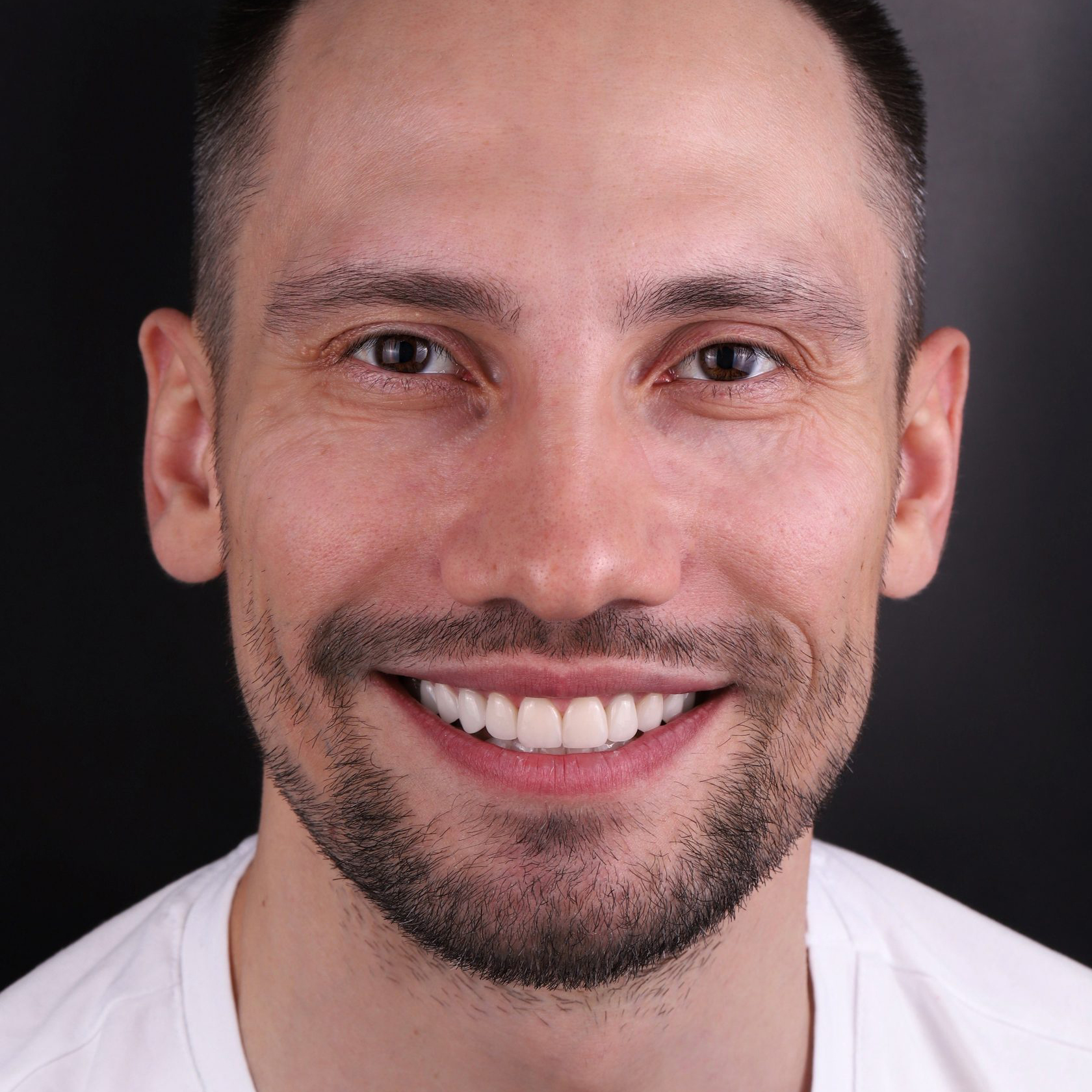
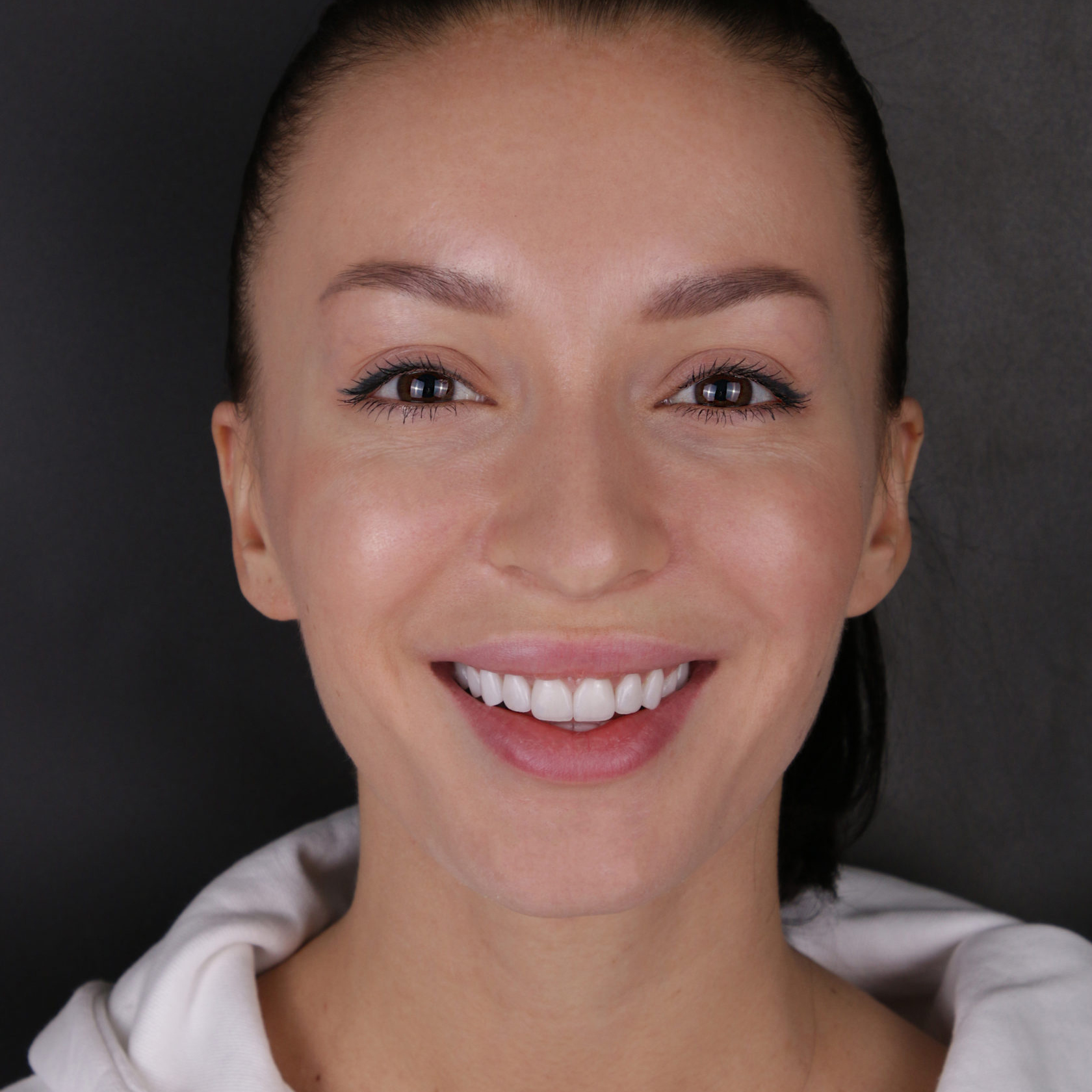
Colour. Light. Texture. Proportions. These details can be created in different ways.
Now let us look at ceramicsYou choose the direction and level of detail. Your dentist and technician help match them to your teeth, wishes and budget.

Lithium disilicate ceramics: harmonious shape, natural colour and a clear budget.
A smile that complements your face and neighbouring teeth.
A Standard-level technician selects the shape, shade and optical properties for the clinical situation.

Individual craftsmanship with shade transitions, surface texture and translucent incisal edges.
Lifelike depth and nuances that invite a closer look.
A Premium-level technician creates individual optical properties and ceramic texture.
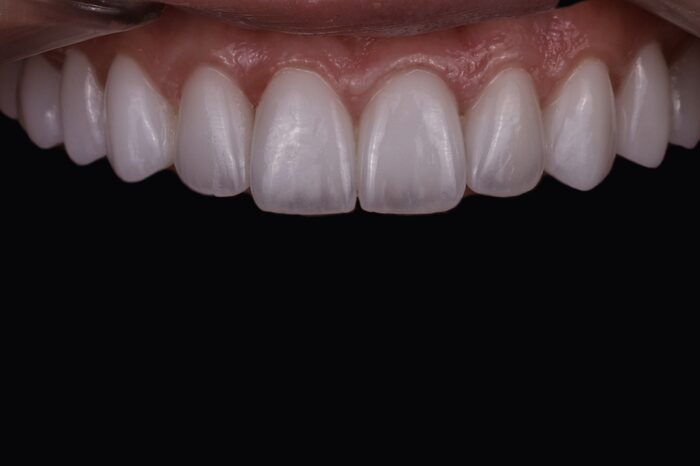
Layered ceramics on a refractory model — a heat-resistant model. A technique for subtle artistic nuances.
Complex light effects, soft transitions and an individual surface pattern.
An Ultra Premium-level technician creates the restoration by hand on a refractory model. The method is chosen according to clinical indications.
Laser removal of old veneers is complimentary when the method is suitable. How refractory-model work is done
Translucency is not exclusive to one material. Veneer thickness is not the same as preparation depth; the extent of treatment is assessed separately. *When the method is applicable. Preparation, contraindications and restoration choice depend on the clinical situation.Compare E.max, Creation and Noritake feature by feature
What we compare E.max Creation Noritake Approach Lithium disilicate ceramics: pressing or CAD/CAM Individual ceramic layering; LS/LS Press combine a core and veneering ceramics Layering on a refractory model Technician level Standard Premium Ultra Premium Focus Aesthetics and budget Individual artistic details Subtle optical nuances Price per tooth 64 000 ₽ 82 000 ₽ 117 000 ₽ Thickness and preparation E.max Press and Creation LS Press allow thin restorations of around 0.3 mm where indicated. Ceramic thickness does not equal preparation depth: this depends on tooth position and colour, enamel condition and the intended shape. Laser removal* Charged separately Charged separately Complimentary
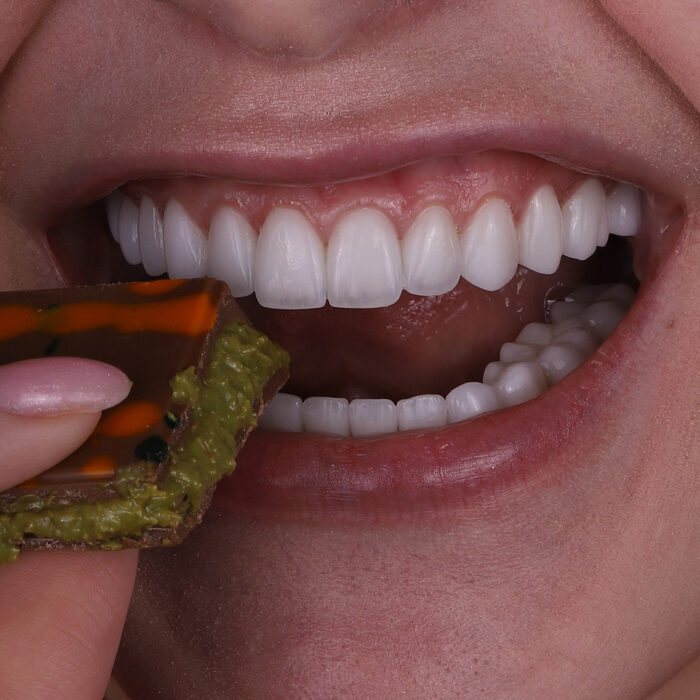
Creation or Noritake with additional service: pre-arranged night and weekend appointments, transfers and one shade change for the completed restoration before bonding. Laser removal is complimentary when the method is suitable.
Terms and scheduling are agreed in advance. VIP is a service package, not a fourth type of ceramic.
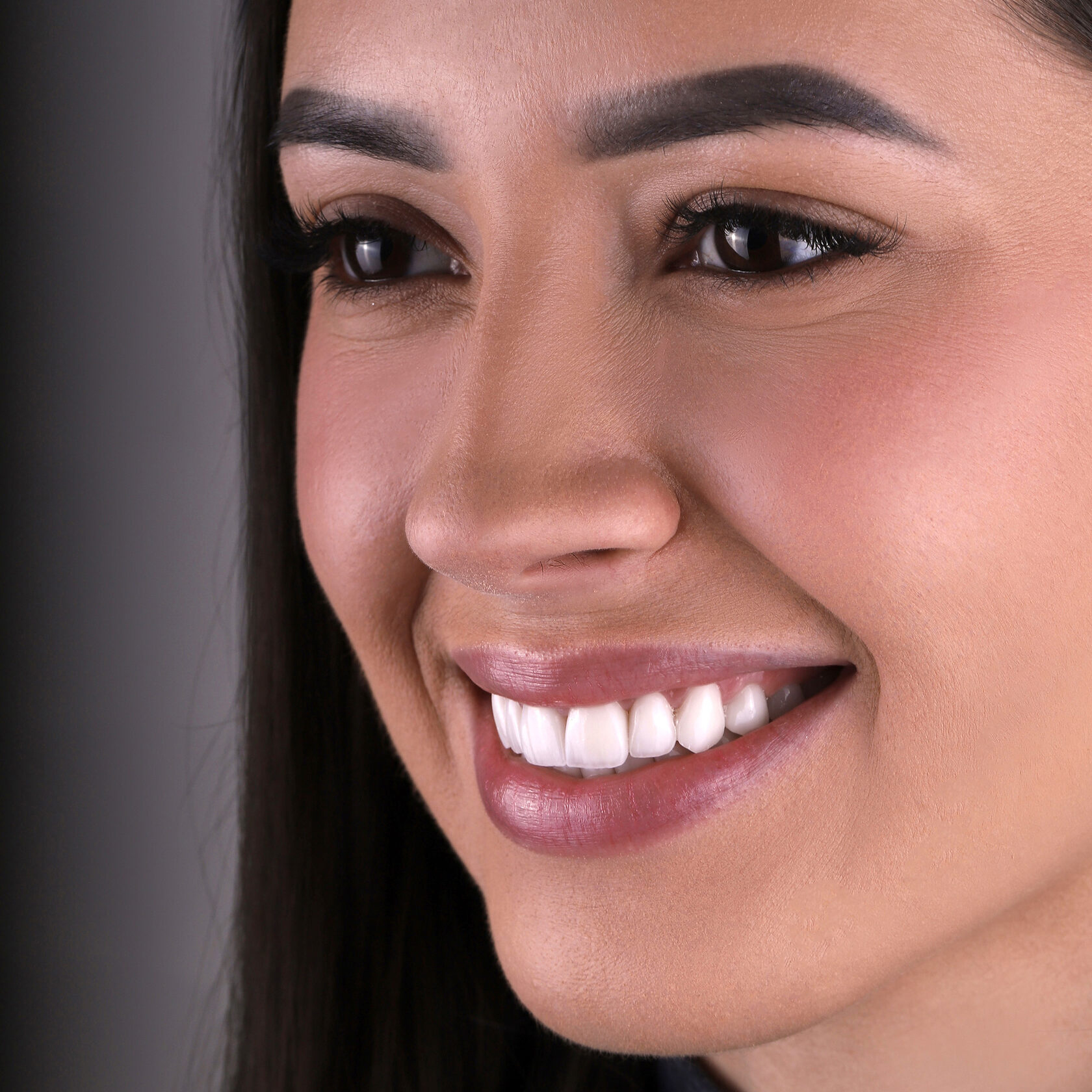
Natural, noticeably light or striking Bleach. There is no universal beautiful shade — there is the one you feel comfortable with.
B1 — a light shade on the classic scale. It is not Bleach 1. Compare it with Bleach shades during an in-person assessment.
The buttons show shade names, not accurate colour samples. Your screen, lighting, tooth shade and ceramic thickness affect perception.
Bleach 3 in a real storyDiscuss your future smile using photographs, a digital model and, where indicated, an intraoral try-in. This helps agree on the shape before the ceramics are made.

Clinical photographs show your face and smile. A scan or impression records tooth shape and provides a basis for designing the restorations.
We model the shape and, where needed, transfer it into your mouth for a try-in. We assess length, proportions and volume; the optical properties of the finished ceramics are checked separately.
How a try-in worksAI helps analyse images and notice details. The dentist makes the final diagnosis and plan; additional imaging is prescribed where indicated.
How we use DiagnocatModelling with a try-in and diagnostic investigations are charged separately. Scans or impressions specifically for making the veneers are included in the restoration price.
Tooth wear, grinding, muscle tension, TMJ pain or clicking are reasons to start with function. They affect loading and the plan for future restorations.
Slavicek gnathologySymptoms, muscles, joints, jaw movements, tooth contacts and functional tests.
Extended instrumental assessment of function and the bite for complex treatment planning.
Recording lower jaw movements to analyse function.
These are separate services, not a mandatory total for everyone. CT, MRI, axiography, articulator work and supporting methods, including TENS, are used where indicated.
Story: aesthetics after bite restorationMore than a piece of ceramic. The full fabrication and fitting process, with a clear breakdown and separate estimates for additional needs.
Pain relief to the extent required.
Rubber dam and OptraGate according to the treatment protocol.
Tooth records for fabricating the restorations.
Preparation to the extent required by the clinical situation.
Preparing the restoration margin area.
Individual craftsmanship within your chosen package.
While the permanent veneers are being made.
Fitting and checking the completed restorations.
Materials for the stages listed.
This breakdown applies to your chosen restoration package. The final plan is agreed after an examination.
8 teeth — an example of a smile zone in one arch.
Restoration cost. Diagnostics, modelling with a try-in and preliminary treatment are charged separately.
The calculation helps estimate your budget. It does not determine clinical indications or the extent of treatment required.
Restore a detail and match the neighbouring teeth.
A possible treatment extent in one arch. Every smile is different.
Coordinate the upper and lower teeth for broader aesthetic goals.
“Veneers 360” where indicated: veneers, onlays and crowns may be combined.
Consultations and additional investigations; WaxUp and MockUp; any necessary treatment of decay, root canals, gums, the bite or TMJ. The list depends on your starting situation. The figures above are budget scenarios, not a prescribed number of teeth.

Your dentist provides the clinical foundation. Your technician turns the agreed design into ceramics: layering, creating texture and checking shape and optical properties. Digital tools assist, but do not replace this work.
A tour of Compton Dental LabWe discuss your wishes, take clinical photographs and assess teeth, gums and the bite. Additional investigations are used where indicated.
We agree on shape, extent and shade. Where needed, we carry out WaxUp and MockUp — modelling and trying in your future smile.
We prepare the teeth as needed, take scans or impressions and fit temporary restorations.
Your technician creates permanent veneers to the agreed design, with the intended shape, shade and optical details.
We check fit, shade and contacts. Once agreed, we bond the restorations and discuss care and follow-up visits.
An estimate for an uncomplicated case. Preliminary treatment extends the timeline; your schedule is planned after diagnostics.
First we assess the ceramics and tooth tissues. In suitable cases, an erbium laser helps remove the restoration. Suitability depends on the material, cement and clinical situation; another method may sometimes be required.
Suitable laser removal is complimentary with Noritake and VIP.
Seven different reasons. Seven personal experiences.
See smiles in motion and hear from the patients themselves.
From bite restoration to smile aesthetics.
Watch the storyA patient’s experience after Creation veneers.
Watch the storyHow a patient feels with her new smile.
Watch the storyA story of changing smile shape and proportions.
Watch the storyAn example of the shade in movement and natural speech.
Watch the storyA personal transformation story.
Watch the storyA story of replacing previous veneers.
Watch the storyReal White Art stories. Treatment results are individual.
More patient reviewsBrush with fluoride toothpaste twice a day and clean between your teeth.
Do not open packaging with your teeth or bite hard objects.
Examinations and professional hygiene on an individual schedule. A tooth with a veneer can still develop decay.
If your dentist prescribes a night guard, wear it as advised. Attend an examination if you develop pain, a chip or changes in tooth contacts.
Ceramics do not require a special lifestyle, but they do not remove the need to care for your teeth.
Longevity depends on enamel, fabrication, bonding, loading and care. Chipping, debonding, repairs and replacement are possible.
This result for feldspathic and lithium disilicate veneers comes from a systematic review of 29 studies. These are pooled scientific data, not a guarantee or White Art statistics; survival does not mean an absence of complications. Klein et al., 2025
About preparation, shade, the bite, longevity and things that may not come to mind at a first consultation.
E.max costs 64 000 ₽, Creation 82 000 ₽, Noritake on a refractory model 117 000 ₽ and VIP 160 000 ₽ per tooth. The price includes fabrication and fitting with the stages listed on this page. Diagnostics, modelling with a try-in and any necessary preliminary treatment are charged separately. Calculate your treatment extent
They are different ceramic and craftsmanship options. E.max is lithium disilicate ceramic; the Creation and Noritake packages shown here emphasise individual layering. Noritake is made on a refractory model. The choice depends on your teeth, aesthetic goals and treatment plan. Detailed comparison
Composite restorations can be made directly in the mouth and may need regular polishing and adjustments. Ceramics are made in a laboratory and usually retain their surface and colour better. Composite is easier to repair. Both have indications and limitations. The prices on this page are for ceramic restorations.
A veneer usually covers primarily the front surface of a tooth. A crown surrounds the tooth and may be needed when damage is extensive. A treatment plan can combine different restorations. “Veneers 360” does not mean a full-coverage restoration suits every tooth.
Sometimes, but not in every case. The dentist considers whether there is room for ceramics and whether tooth position or colour masking is needed. Without preparation, restorations may become too bulky. Removing enamel is irreversible.
Start with how bright you want your smile to be and how it should complement your face. BL1 is the lightest Bleach shade listed; B1 belongs to a different scale and is not Bleach 1. Screens do not reproduce colour accurately, so the final choice is made with your dentist. Quiz and shade examples
The number depends on smile width, tooth condition, the bite and the desired colour change. The calculator figures are budget examples. Comprehensive restoration of 28 teeth may combine veneers, onlays and crowns; one restoration type is not automatically prescribed for every tooth.
Shape can be discussed using a digital design and, where needed, assessed in the mouth with a MockUp. This try-in helps agree on the design direction; the final optical properties of the ceramics are assessed separately. Modelling with a try-in is not included in the price per veneer. About WaxUp and MockUp
For an uncomplicated case, the estimate is around three main visits over two to three weeks. Preliminary treatment of teeth, gums, the bite or TMJ extends the timeline. The number of visits and schedule are agreed after diagnostics.
Discuss these symptoms before aesthetic treatment. Your dentist assesses the teeth, chewing muscles and TMJ and decides whether additional investigations or preparation are needed. A protective night guard may be part of the plan but does not replace diagnostics.
Ceramic veneers can last many years, but there is no fixed lifespan for everyone. Tooth condition, remaining enamel, fabrication, bonding, loading and care affect the result. Chipping, debonding, repairs or replacement may be needed.
Yes, a tooth with a veneer can still develop decay, including at the restoration margin. Daily hygiene, interdental cleaning, preventive examinations and professional hygiene on an individual schedule are needed.
The restorations and underlying tissues are assessed first. An erbium laser is used in suitable cases, depending on the ceramic, cement and clinical situation. Another removal method may be needed. Suitable laser removal is complimentary with Noritake and VIP. More about the laser
Brush twice daily with fluoride toothpaste, clean between the teeth and attend check-ups. Do not use your teeth to open packaging or bite hard objects. If your dentist prescribes a night guard, follow their advice.
You pay for the material, technology and technician’s craftsmanship. Shape complexity, layering, texture and agreeing on individual details take different amounts of time. A more expensive package does not replace appropriate indications or guarantee a better result.
Minor shape and position concerns can sometimes be corrected with restorations. Significant misalignment should first be considered for orthodontics: masking everything with ceramics may require unnecessary tissue preparation. About orthodontic treatment
No. Optical properties depend on the particular ceramic, thickness, tooth colour and technician’s work. E.max and Creation also allow translucency. Noritake on a refractory model is a particular craftsmanship technique, not the only route to naturalness.
Not always. Access can sometimes be made from the inner side of the tooth while retaining the outer restoration. In other cases, the veneer must be removed or replaced. This depends on the diagnosis, damage location and ceramic condition.
Colour alone does not establish a diagnosis. Bonding material can cause darkening; the dentist assesses tissues after cleaning and examination. Decay is also possible, so not every dark area can be considered harmless.
A wish to understand your options is enough. We will discuss your smile, show you the choices and prepare a clear plan.